
Revolutionize Your Floors with Innovative Floor Coatings

Flooring plays a critical role in the functionality and aesthetics of industrial and commercial spaces. The demand for durable, efficient, and sustainable floor solutions has led to the development of advanced coating systems. These systems not only protect floors but also enhance their performance under various operational conditions. This article explores how innovative floor coatings transform flooring applications across diverse sectors, emphasizing practical benefits and implementation strategies.
Understanding Innovative Floor Coatings
Innovative floor coatings represent a significant advancement over traditional flooring materials. These coatings are engineered to provide superior resistance to wear, chemicals, moisture, and mechanical impact. They are formulated using advanced polymers, resins, and additives that improve adhesion, flexibility, and longevity.
Key features of innovative floor coatings include:
High durability: Resistant to abrasion, impact, and heavy foot or vehicle traffic.
Chemical resistance: Effective against oils, acids, alkalis, and solvents.
Moisture barrier: Prevents water ingress and related damage.
Ease of maintenance: Smooth surfaces that simplify cleaning and reduce downtime.
Aesthetic versatility: Available in various colors and finishes to suit different environments.
These properties make innovative floor coatings ideal for warehouses, manufacturing plants, commercial kitchens, healthcare facilities, and more.
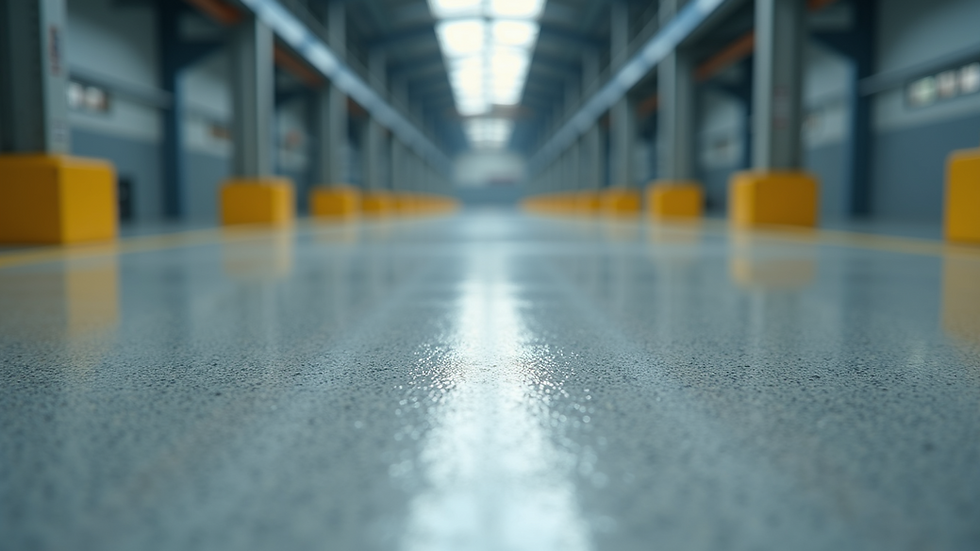
Benefits of Innovative Floor Coatings in Industrial and Commercial Settings
The application of innovative floor coatings delivers measurable improvements in operational efficiency and safety. Some of the primary benefits include:
Extended Floor Lifespan
Coatings protect the substrate from physical and chemical damage, significantly extending the service life of floors. This reduces the frequency and cost of repairs or replacements.
Enhanced Safety
Many coatings incorporate anti-slip additives, improving traction and reducing the risk of accidents. Additionally, coatings can be customized with safety markings and color codes to guide personnel.
Improved Hygiene
Seamless and non-porous coatings prevent the accumulation of dirt, bacteria, and contaminants. This is particularly important in food processing, pharmaceutical, and healthcare environments.
Cost Efficiency
Reduced maintenance requirements and longer durability translate into lower total cost of ownership. Quick curing times also minimize operational disruptions during installation.
Environmental Sustainability
Some coatings are formulated with low volatile organic compounds (VOCs) and environmentally friendly materials, aligning with sustainability goals.
These advantages demonstrate why innovative floor coatings are becoming the preferred choice for demanding industrial and commercial applications.
Selecting the Right Coating System
Choosing the appropriate floor coating depends on several factors related to the specific environment and operational needs. Considerations include:
Type of substrate: Concrete, metal, or wood floors require different preparation and coating types.
Traffic load: The intensity and type of traffic (foot, forklift, heavy machinery) influence the coating’s required strength.
Chemical exposure: Identify chemicals present to select coatings with compatible resistance.
Environmental conditions: Temperature, humidity, and exposure to UV light affect coating performance.
Aesthetic requirements: Color, gloss, and texture preferences may impact the choice.
Common types of innovative floor coatings include:
Epoxy coatings: Known for excellent adhesion and chemical resistance.
Polyurethane coatings: Offer superior flexibility and UV stability.
Polyaspartic coatings: Provide fast curing and high durability.
Acrylic coatings: Suitable for decorative and light-duty applications.
Engaging with experienced coating specialists ensures the selection of a system that meets both technical and budgetary requirements.

Application Process and Best Practices
Proper application is critical to achieving the full benefits of innovative floor coatings. The process typically involves the following steps:
Surface Preparation
Thorough cleaning, grinding, or shot blasting removes contaminants and creates a profile for optimal adhesion.
Priming
Applying a primer enhances bonding between the substrate and the coating.
Coating Application
Coatings are applied using rollers, brushes, or spray equipment. Multiple layers may be necessary depending on the system.
Curing
Allowing adequate curing time ensures the coating attains its designed properties.
Inspection and Quality Control
Post-application inspection verifies uniformity, thickness, and absence of defects.
Best practices include:
Maintaining recommended temperature and humidity during application.
Using skilled applicators trained in specific coating systems.
Scheduling work to minimize operational disruption.
Implementing safety measures to protect workers and occupants.
Following these guidelines results in a durable, high-performance floor coating that meets industrial standards.
Future Trends in Floor Coating Technologies
The flooring industry continues to evolve with innovations aimed at enhancing performance and sustainability. Emerging trends include:
Smart coatings: Integration of sensors to monitor floor conditions and detect damage.
Self-healing coatings: Materials that repair minor cracks autonomously.
Eco-friendly formulations: Increased use of bio-based resins and recyclable components.
Antimicrobial coatings: Surfaces that inhibit microbial growth for improved hygiene.
Enhanced aesthetics: Customizable textures and patterns for branding and design.
These advancements will further revolutionize floor protection, offering tailored solutions for diverse industrial and commercial needs.
Maximizing the Value of Floor Coatings
To fully leverage the advantages of innovative floor coatings, organizations should adopt a strategic approach:
Conduct thorough needs assessment before selecting coatings.
Partner with reputable suppliers and applicators who understand local conditions and regulations.
Implement regular maintenance programs to preserve coating integrity.
Train staff on proper floor care and safety protocols.
Monitor performance and gather feedback to inform future improvements.
By integrating these practices, businesses can ensure their floors remain resilient, safe, and efficient over the long term.
Stanrose Envirotech India Private Limited exemplifies leadership in delivering advanced surface protection solutions tailored to the Indian market. Their expertise in innovative coating technologies supports industries in achieving durable and sustainable flooring systems that meet rigorous operational demands.
For more information on how to revolutionize your floors with cutting-edge coatings, explore the latest developments in innovative coating technologies.


Comments